
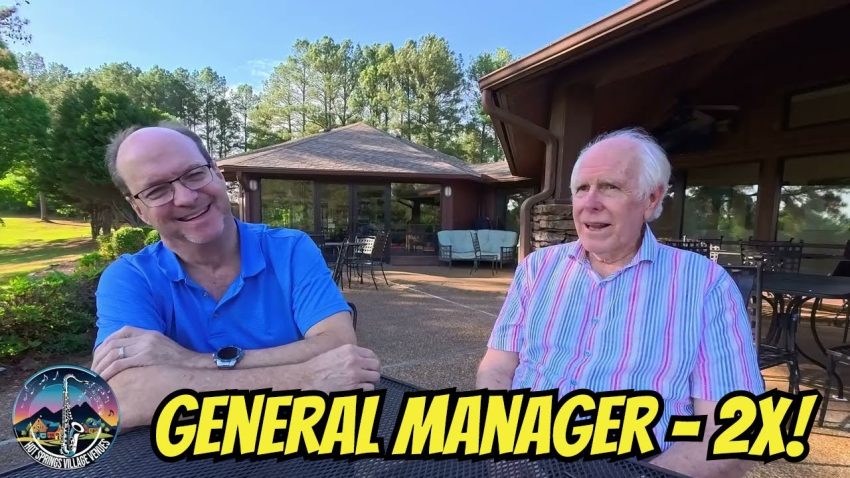
Hot Springs Village is home to some of Arkansas’ finest golf courses, but few people know the remarkable story behind the creation of Isabella and Granada Golf Courses. In this exclusive conversation, former General Manager John Paul (JP) shares how local golfers and community members played a direct role in funding and developing these iconic courses.
The discussion also uncovers the competitive golf market of the late 1990s, the history of Diamante, the evolution of Cortez Golf Course, and the leadership decisions that shaped one of America’s largest gated communities.
Who Is John Paul and Why Is His Story Important?
John Paul (JP) holds a unique place in Hot Springs Village history as one of the few leaders to serve twice as General Manager. His firsthand experience provides valuable insight into the planning, financing, and growth of the Village’s golf facilities.
Having overseen major developments during periods of rapid expansion, JP explains how community involvement became the driving force behind several landmark golf projects.
How Were Isabella and Granada Golf Courses Funded?
Unlike many golf developments financed entirely through developers or outside investors, Isabella and Granada were largely supported by the community itself.
Golf members voluntarily participated through:
- Interest-free member loan programs
- Small player surcharges
- Community-backed funding initiatives
- Long-term investment in Village amenities
This innovative financing model allowed Hot Springs Village to expand its golf offerings without relying solely on traditional financing methods.
Why Was More Golf Needed in Hot Springs Village?
During the late 1990s, Hot Springs Village experienced extraordinary golf activity, recording nearly 350,000 rounds annually.
The demand for tee times exceeded available capacity, creating the need for additional championship-level golf courses. Isabella’s expansion from 18 to 27 holes and the development of Granada helped meet growing demand while strengthening the Village’s reputation as a premier golf destination.
How Did Hot Springs Village Compete with Little Rock Golf Courses?
JP explains that one of the Village’s goals was attracting golfers from Central Arkansas.
Competitive green fees, exceptional course conditions, and multiple championship layouts helped position Hot Springs Village as a preferred destination over many daily-fee golf courses in the Little Rock area.
This strategy increased tourism, supported local businesses, and enhanced property values throughout the community.
What Challenges Were Faced During Construction?
Every golf course has design challenges.
One memorable example discussed in the interview involves the original blind approach shot on Isabella’s ninth hole. Through thoughtful planning and continuous improvements, course designers refined the layout to create a better experience for golfers while preserving the course’s natural beauty.
These behind-the-scenes stories highlight how even successful golf courses evolve over time.
What Is the Story Behind Diamante Golf Club?
The interview also explores the history of Diamante Golf Club, including its relationship with ClubCorp and the eventual member buyout.
JP shares valuable historical perspective on how ownership changes influenced golf operations within Hot Springs Village and what those changes meant for members.
Why Is Cortez Called the “Sleeper” Course?
While Isabella often receives national attention, JP describes Cortez as one of the Village’s hidden gems.
Known for excellent conditions, enjoyable layouts, and a less crowded atmosphere, Cortez continues to be a favorite among experienced local golfers.
Its value, playability, and scenic surroundings make it one of the community’s most underrated courses.
What Can Golf Communities Learn from Hot Springs Village?
The development of Isabella and Granada demonstrates the power of community investment.
Rather than waiting for outside funding, members chose to invest directly in amenities that would benefit future generations. The result is a golf destination that continues to attract residents, visitors, and retirees decades later.
Their story serves as a model for how community participation and visionary leadership can create lasting recreational assets.
Frequently Asked Questions
Who funded Isabella Golf Course?
Isabella Golf Course was primarily funded through member-supported financing, including interest-free loans and golfer surcharges that helped finance construction.
Why was Granada Golf Course built?
Granada was developed to accommodate increasing golf demand as Hot Springs Village experienced record participation during the late 1990s.
Who is John Paul?
John Paul served twice as General Manager of Hot Springs Village and played an important leadership role during several major golf developments.
Is Cortez Golf Course worth playing?
Yes. Many local golfers consider Cortez one of the best value courses in Hot Springs Village due to its excellent layout, conditions, and enjoyable play.
Final Thoughts
The history of Isabella and Granada is about far more than golf course construction. It is a story of community vision, member commitment, and leadership that transformed Hot Springs Village into one of America’s premier golf destinations.
Whether you’re interested in golf history, Arkansas travel, or the evolution of master-planned communities, JP’s firsthand account offers a fascinating look behind one of the Village’s greatest success stories.