
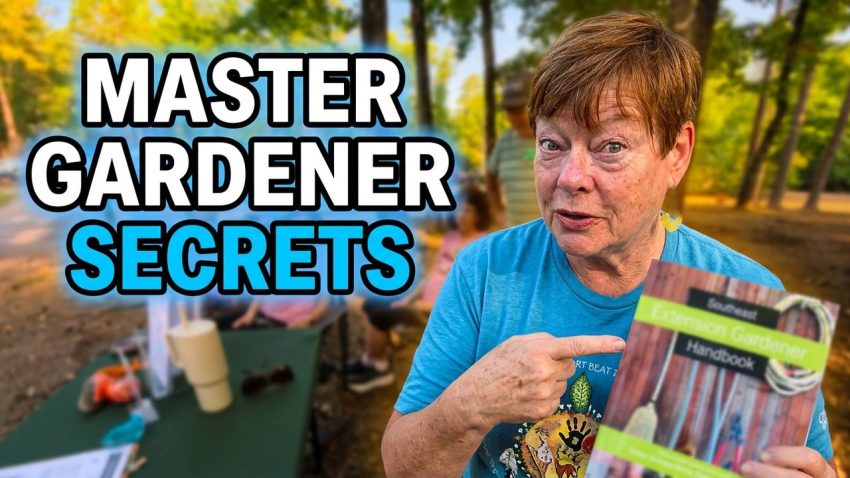
What makes Hot Springs Village, Arkansas, an appealing place to retire? Beyond its lakes, natural beauty, and relaxed lifestyle, everyday life in the community also means learning how to work with the land. In this episode of Hot Springs Village Venues, Dennis R. Simpson visits the local Farmers Market and talks with Garland County Master Gardeners about gardening, water conservation, local soil conditions, and getting involved in the community.
For anyone considering Hot Springs Village as a retirement destination, this conversation offers a practical look at one part of life that is easy to overlook: maintaining a yard and garden in Central Arkansas.
What Is Gardening Like in Hot Springs Village?
Gardening in Hot Springs Village comes with a unique challenge: the soil. Local gardeners explain that many areas contain shattered chert, slate, and dense clay, making it difficult for some plants to establish healthy roots.
Instead of relying entirely on native soil, gardeners may need to add quality topsoil, improve existing beds, or use raised beds and containers. These approaches can make growing flowers, vegetables, and shrubs much easier.
The episode also highlights resilient plants such as Oakleaf Hydrangeas and azaleas, along with native wildflower seed mixes that can add color while supporting a more adaptable landscape.
How Can You Save Water in Hot Springs Village?
Central Arkansas weather can bring periods of limited rainfall, making water conservation an important consideration for homeowners.
Xeriscaping—or landscaping with native and drought-tolerant plants—can reduce the need for supplemental watering. Choosing plants suited to local conditions, improving soil, and placing plants where they receive appropriate sunlight can all help create a more sustainable yard.
For retirees, these strategies can also mean less maintenance and potentially lower water use over time.
How Do You Become a Garland County Master Gardener?
The University of Arkansas System Division of Agriculture Extension Service provides the Master Gardener program in Garland County. According to the discussion, prospective volunteers typically complete a five-week course, with approximately eight hours of instruction each week.
Local Master Gardeners also meet monthly for continued education, guest speakers, and community involvement. For new residents, the program can be more than a gardening class—it can be a way to meet people and become active in the community.
What Does This Tell You About Retiring in Hot Springs Village?
A retirement community is about more than amenities and scenery. It is also about finding activities, building friendships, and adapting to the local environment.
The gardeners featured in this episode share humorous stories about moving to Hot Springs Village and adjusting to Arkansas weather. Their experiences show how newcomers can turn challenges—whether difficult soil, dry spells, or unfamiliar growing conditions—into opportunities to learn and connect.
The community also recognizes outstanding landscaping through programs such as Yard of the Month, giving residents another incentive to create attractive, resilient outdoor spaces.
Whether you are already living in Hot Springs Village or researching Arkansas retirement communities, this episode provides a down-to-earth perspective on local life. From gardening with chert and clay to joining the Master Gardener program, there are plenty of ways to get involved and make the community feel like home.
Watch for These Highlights
- Free wildflower seeds and Farmers Market introductions
- How to become a Garland County Master Gardener
- Tips for dealing with chert, clay, and poor topsoil
- Xeriscaping and water-saving landscaping ideas
- Plant recovery and Yard of the Month tips
- Stories from residents adapting to Hot Springs Village and Arkansas weather
- Ways newcomers can connect through local organizations
Frequently Asked Questions
Is Hot Springs Village a good place to retire?
Hot Springs Village can appeal to retirees looking for a community-oriented lifestyle, outdoor activities, and a scenic Central Arkansas setting. Personal priorities, budget, healthcare access, amenities, and housing costs should all be considered before deciding.
What is the soil like in Hot Springs Village?
Many areas have challenging soil containing shattered chert, slate, and heavy clay. Gardeners often improve growing conditions with quality topsoil, raised beds, containers, and appropriate plant selections.
What is xeriscaping in Hot Springs Village?
Xeriscaping is a landscaping approach that uses drought-tolerant, native, or well-adapted plants to reduce supplemental irrigation and maintenance.
How can I become a Master Gardener in Garland County?
The Garland County Master Gardener program is offered through the University of Arkansas System Division of Agriculture Extension Service. Training requirements and schedules can change, so prospective volunteers should contact the local Extension Office for current information.
What plants work well in Hot Springs Village?
The episode highlights Oakleaf Hydrangeas, azaleas, and native wildflower mixes as examples of plants that can perform well when matched to local conditions. Gardeners should consider soil, sunlight, drainage, and water availability when selecting plants.